How we worked/Te āhua o tā mātou mahi
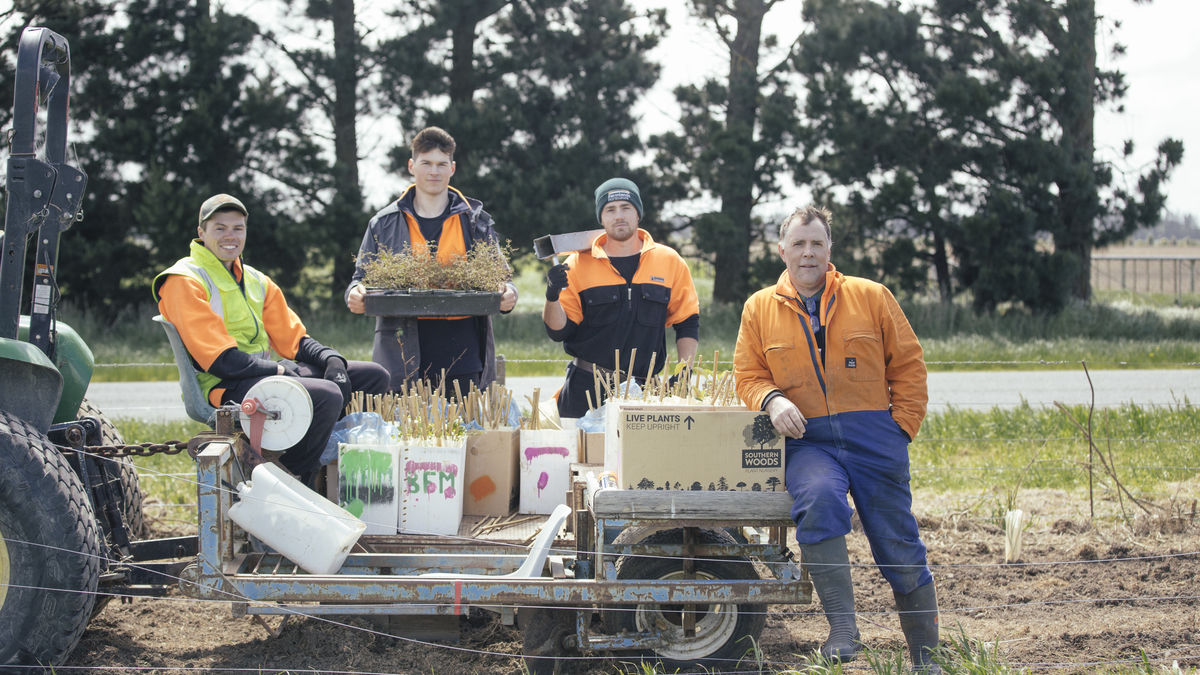
Living Water recognises that land and water management is a complex challenge. We used ‘systems thinking’ (a holistic approach to understanding linkages and interactions between the components of a system) to help frame how we tackled the challenge. We made purposeful connections with others to work on the challenge together – farmers, scientists, mana whenua, councils, and communities.
Working towards a common vision
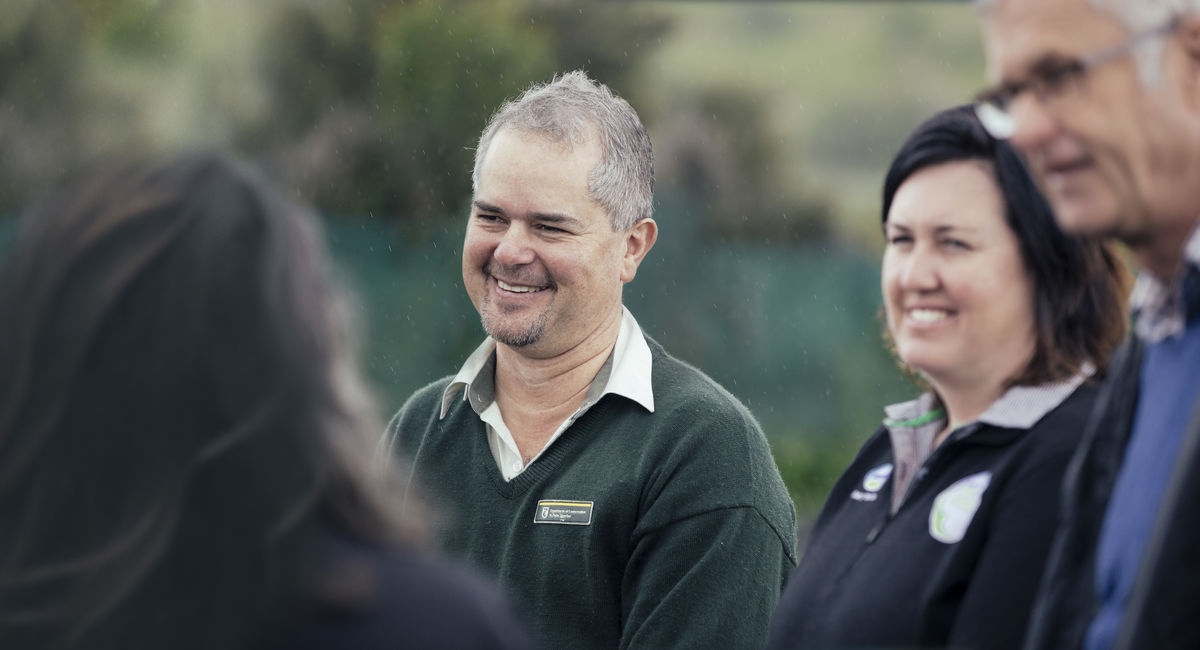
DOC and Fonterra agreed on a vision – a sustainable dairy industry is part of healthy functioning ecosystems that together enrich the lives of all New Zealanders – and others have the same vision. Dairy farming and freshwater ecosystems are out of balance. Living Water aimed to help bring back the balance to achieve better outcomes for the environment, the economy and all New Zealanders.
We all care about the environment, and it's time we all started working together to achieve the best outcomes for New Zealand.
DESIGNING AND TRIALLING SOLUTIONS
We designed and trialled solutions to improve freshwater ecosystems and accelerate sustainable farming in five regions around Aotearoa New Zealand. We identified what things need to be done, where they would be most effective, and how to do them. Land and water characteristics can vary from one farm to another and within regions, so solutions need to be designed and tailored to their unique location. Sometimes things didn't work, but that also helped us learn.
We have this network of trust with the community, with the science community, and with our farmers, to take a risk, to do something different.
We want to trial things in different combinations and try and achieve multiple outcomes. Ecological outcomes, but also economic and social aspirations as well.
Measuring the impact
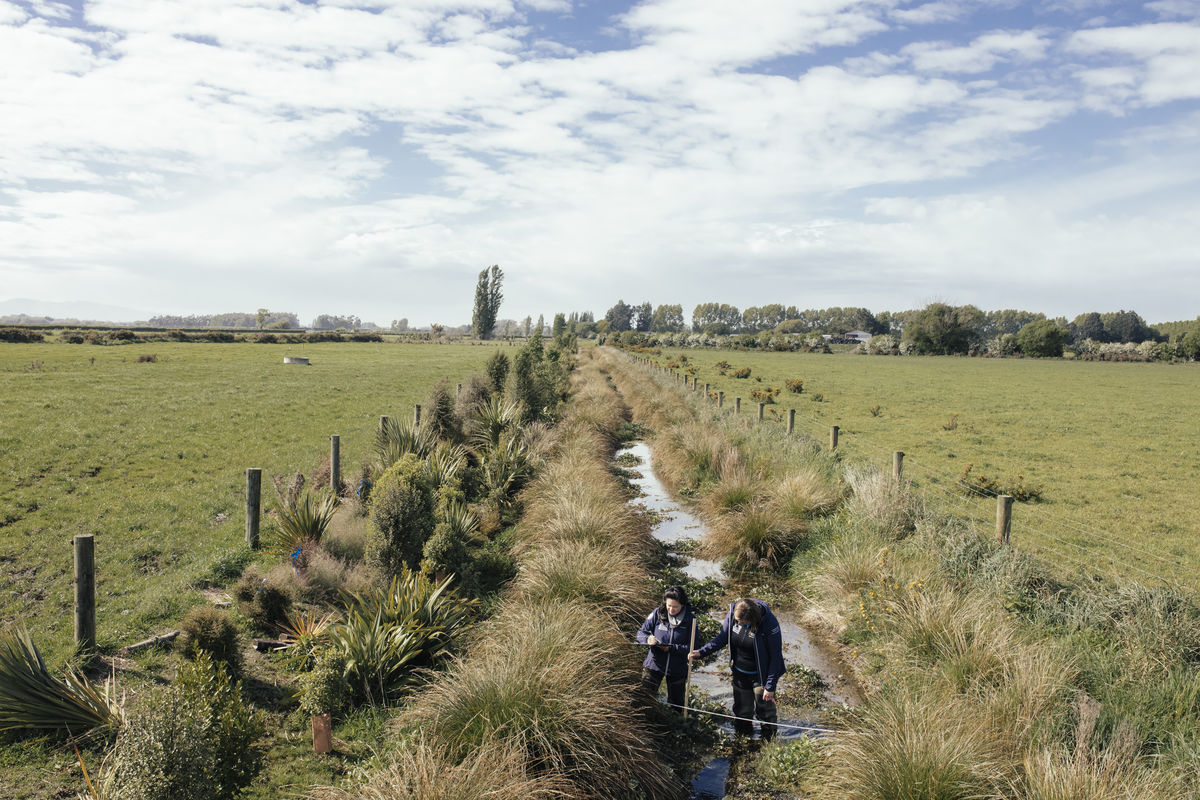
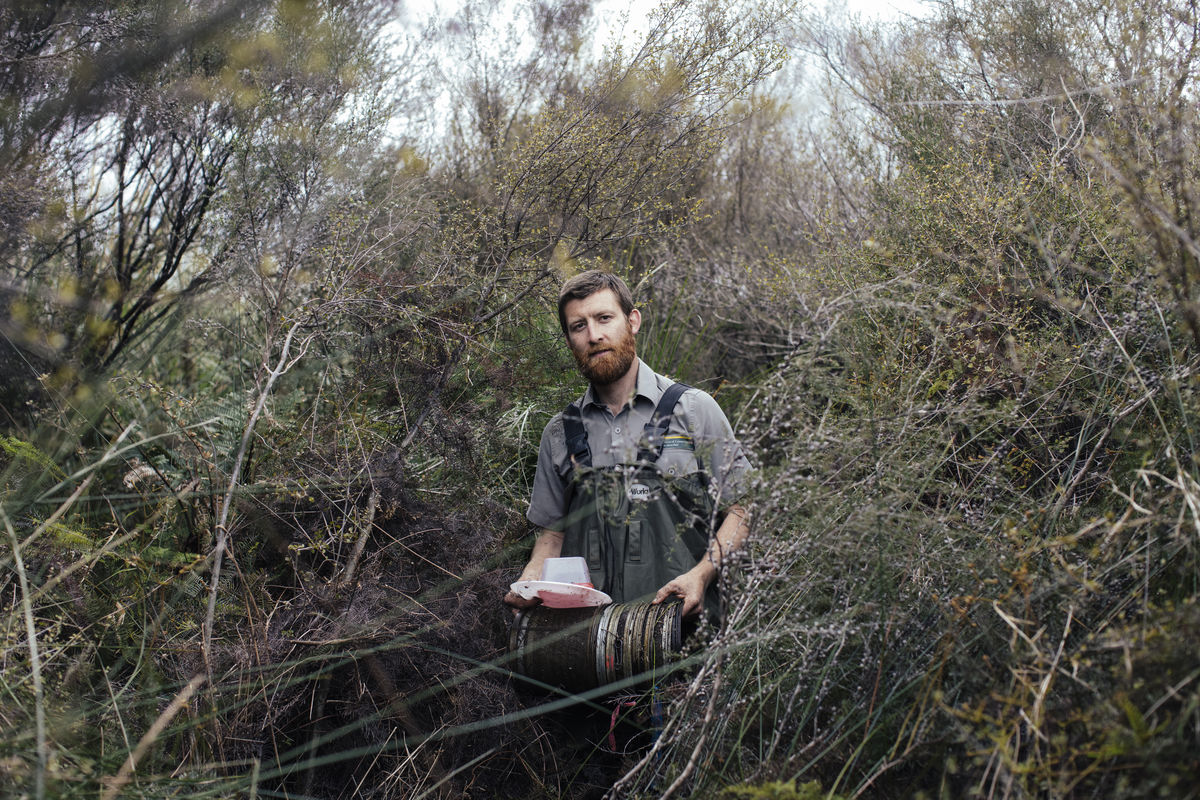
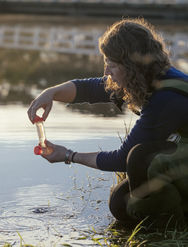
We closely measured the impact of different solutions to be confident in future investments. We knew things like like fencing stock out of waterways were a good place to start. Other things required more planning, such as detention bunds in Northland or peak flow controls in Southland. We worked with scientists from many organisations to ensure the work was right.
If you’re going to change it’s got to be well tested and it has to be based on science.
SCALING IMPLEMENTATION
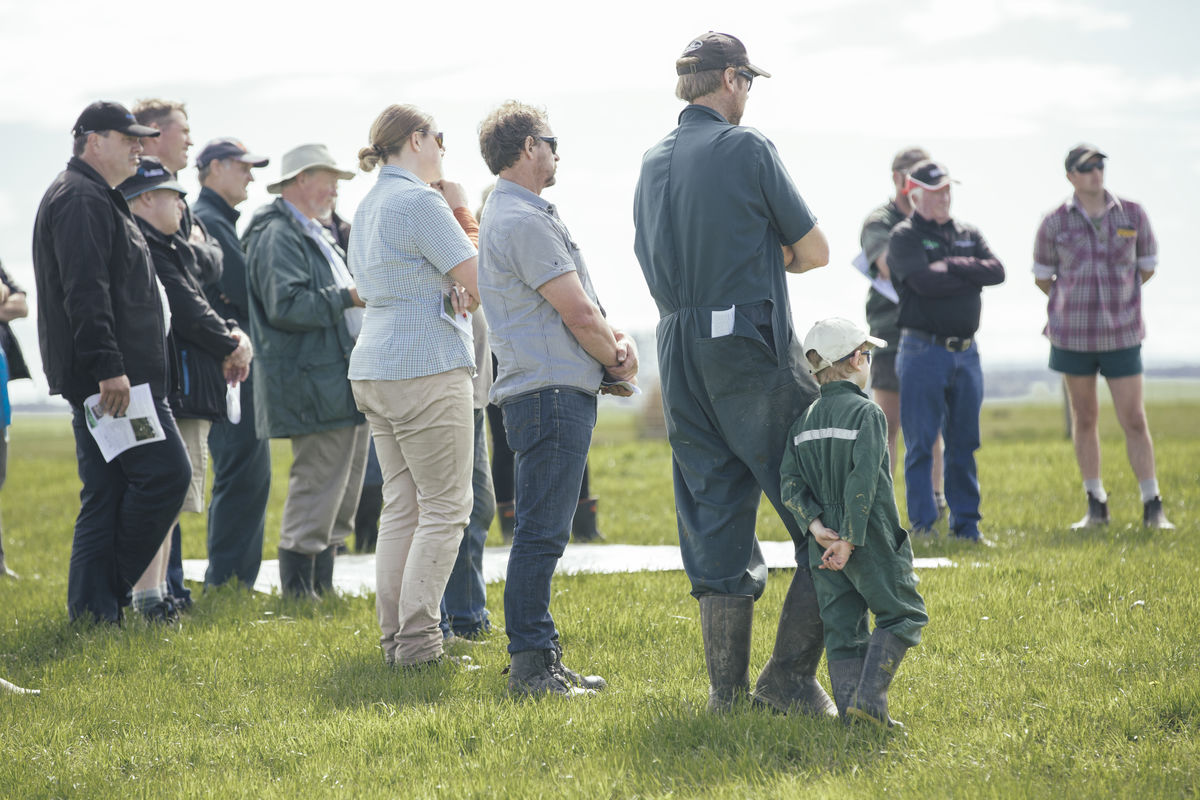
We've costed the solutions at different scales, so we can recommend how best to use the successful tools around Aotearoa New Zealand. We also looked at the skills, capabilities, structures and signals required to support regional and national implementation of solutions and approaches.
You could think of part of Living water as an R&D project. We’re building a tool box with other partners around what we can do to improve water quality and freshwater environments.
What this toolbox means for us is that when we go onto a farm or within a catchment we can pick the right tools that will suit not only the farmer but the freshwater outcomes we’re after.
Championing change
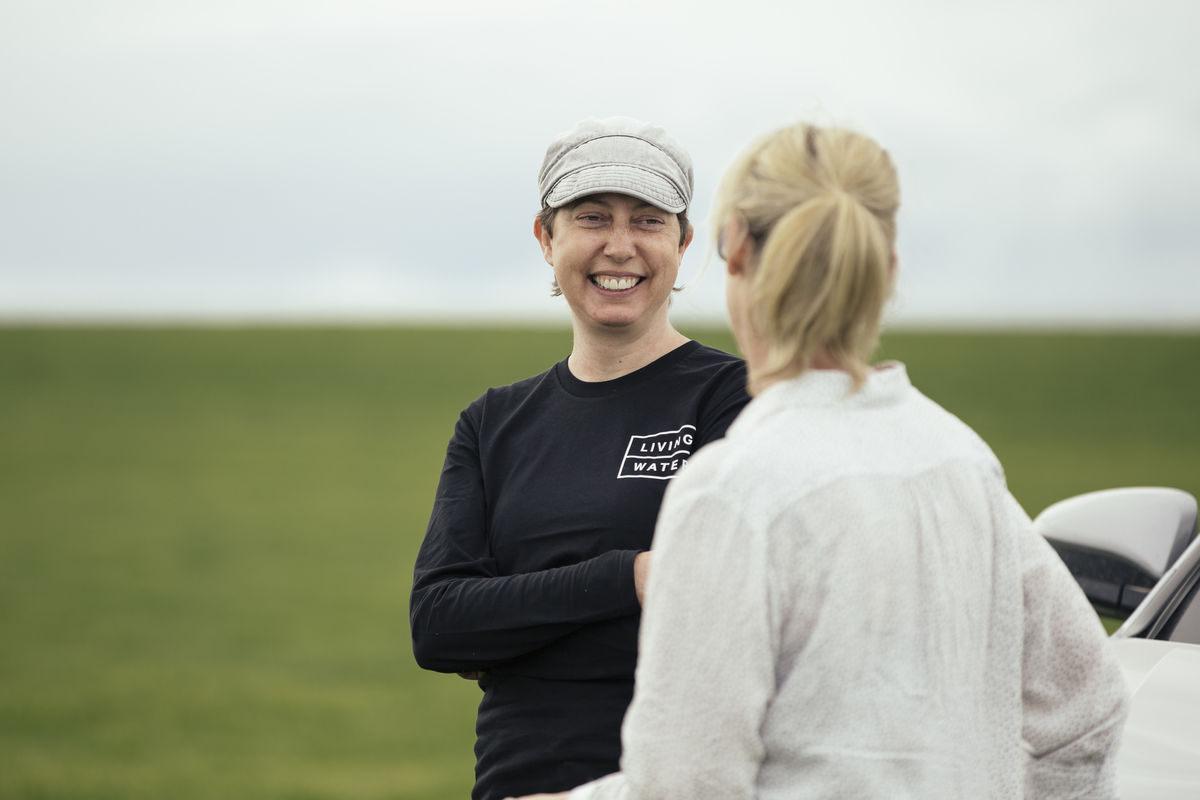
Living Water is open source. Our learnings, failures, solutions and approaches were shared with New Zealand to enable and accelerate change. The farming and freshwater challenge needs individual change, social change, system change, and institutional change, so we championed those changes and supported others on the change journey.
It’s not just about the science but it’s about the empathy in generating the science that we need for the communities that need them and the decisions we need to make. So it’s combining science and society.